Social · Community · Home Improvement2016 – 2018
Dio
Designing a home-improvement community app around projects, services, and shared tools, then learning where product-market fit and network effects broke down.
At a glance
- Problem
- Home-improvement enthusiasts lacked a dedicated space to document projects, find services, share tools, and connect with nearby people around renovation work.
- What I owned
- Product Designer working across personas, journeys, wireframes, testing, and mobile app flows for an early-stage community product.
- Leadership move
- Expanded the product from project documentation into three pillars: projects, services, and tools, based on focus-group feedback and early testing.
- Outcome
- The app launched to stores and validated parts of the concept with small groups, but struggled with user acquisition and network effects, creating a clear product-market-fit lesson.
Problem Statement
App
Existing social platforms don’t provide dedicated spaces for home improvement enthusiasts, making it hard for them to gain visibility and find like-minded communities. These platforms often prioritise general content, leaving little room for users who want to showcase their renovation projects, share detailed updates, and connect with others passionate about home improvement.
This gap makes it challenging for users to get the support, feedback, and inspiration they need within traditional social networks.
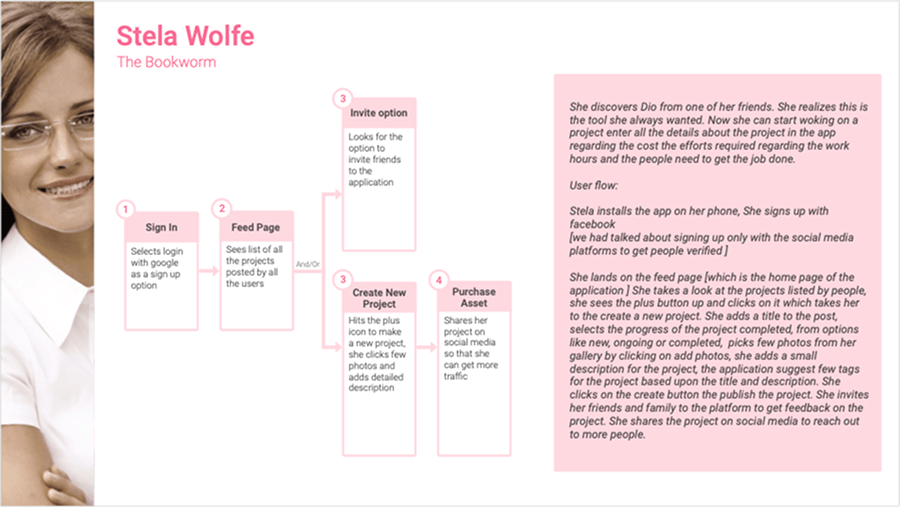
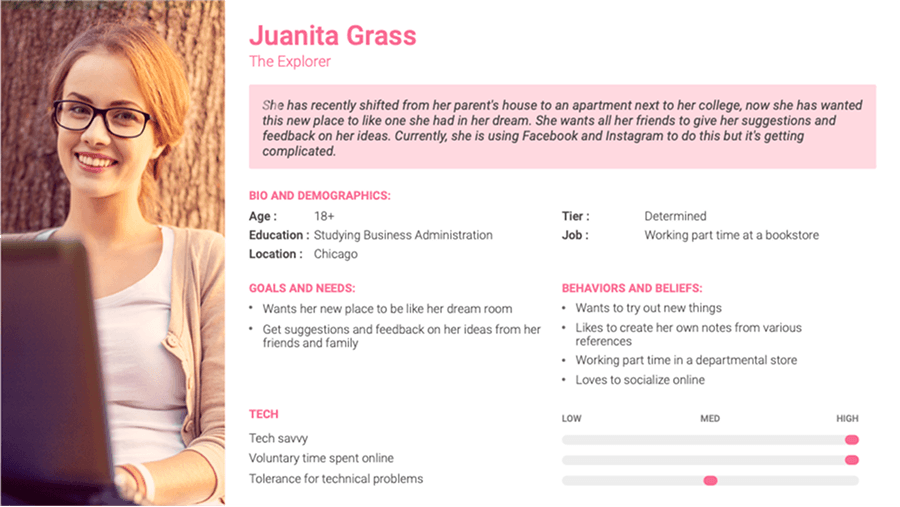
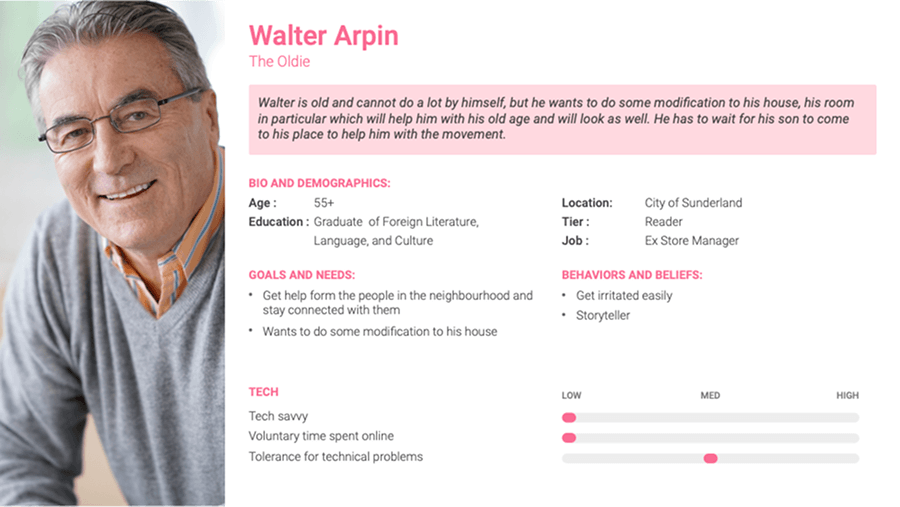
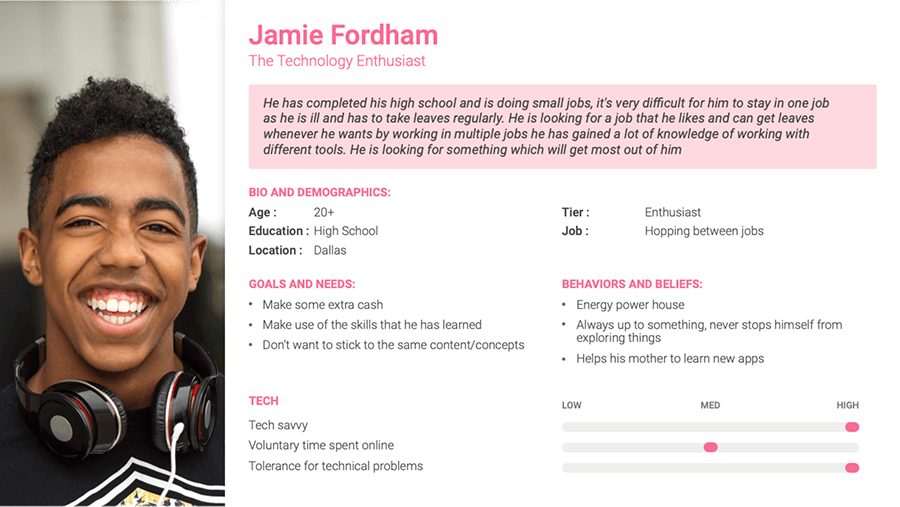
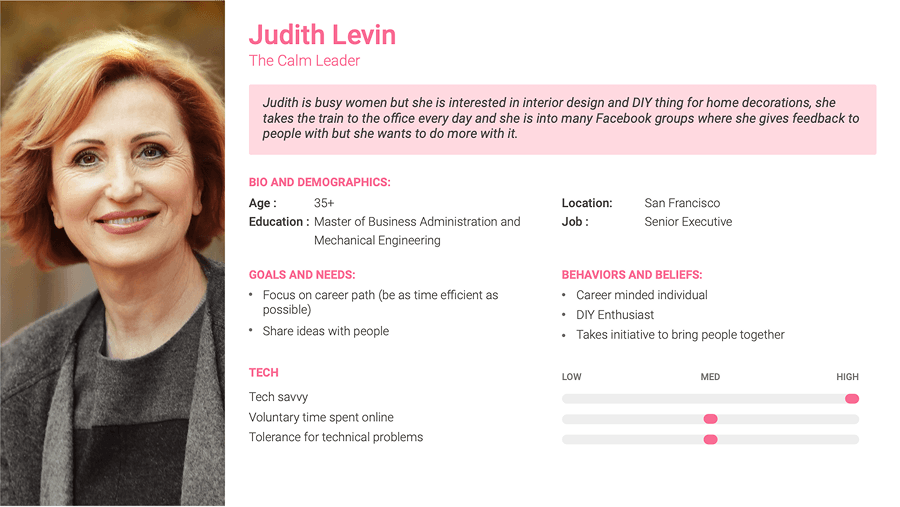
Personas & User Journey
Wireframes
Testing & Iterations
Final Solution
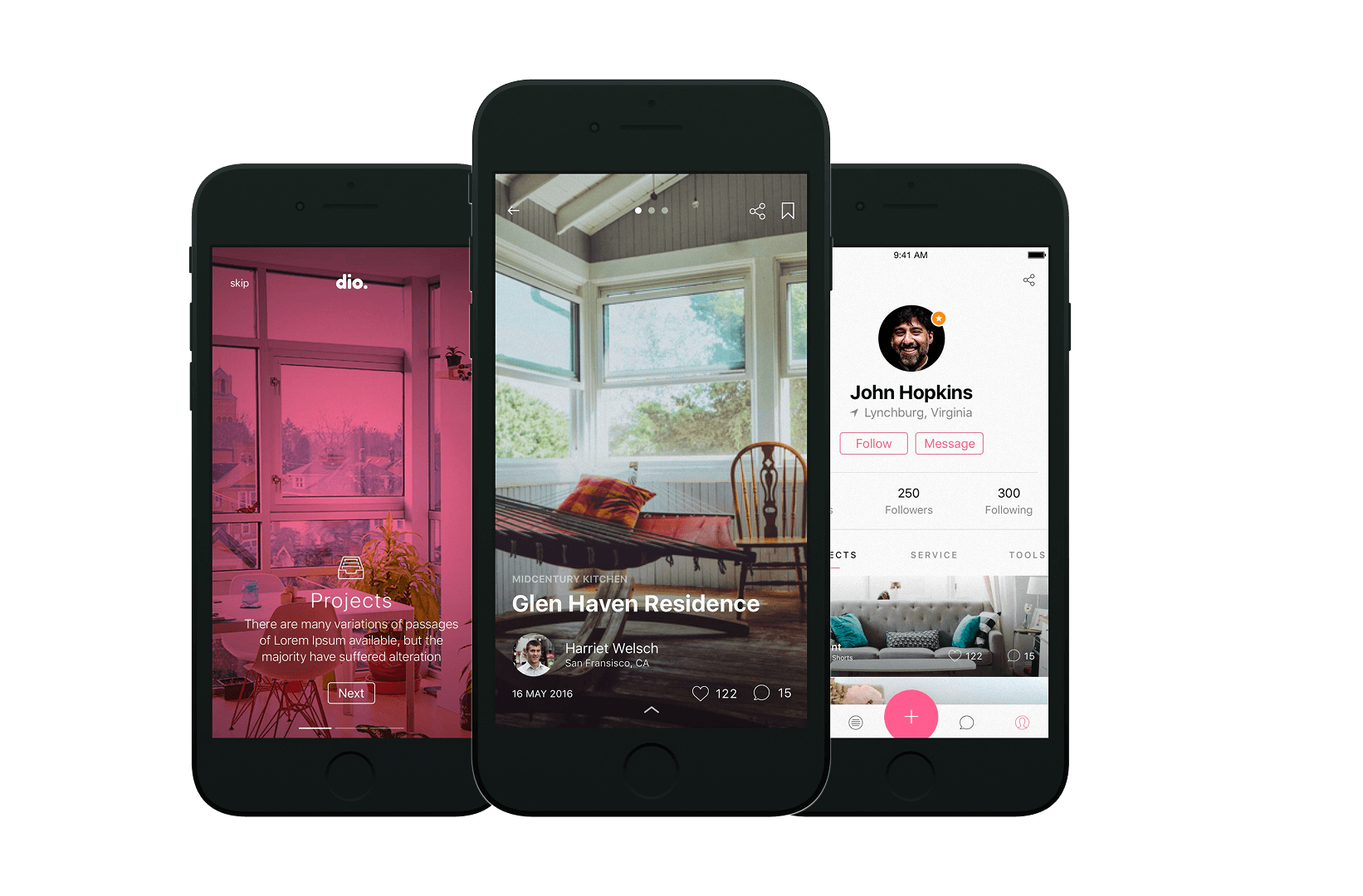
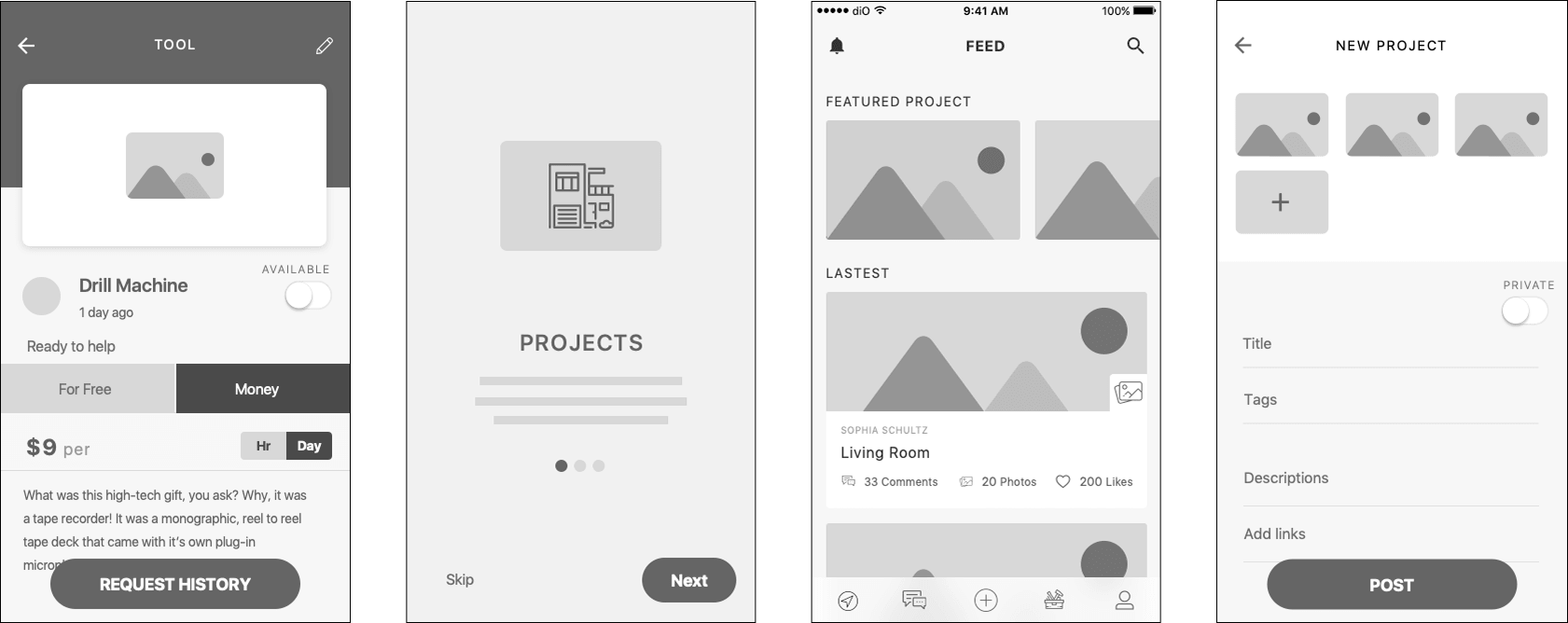
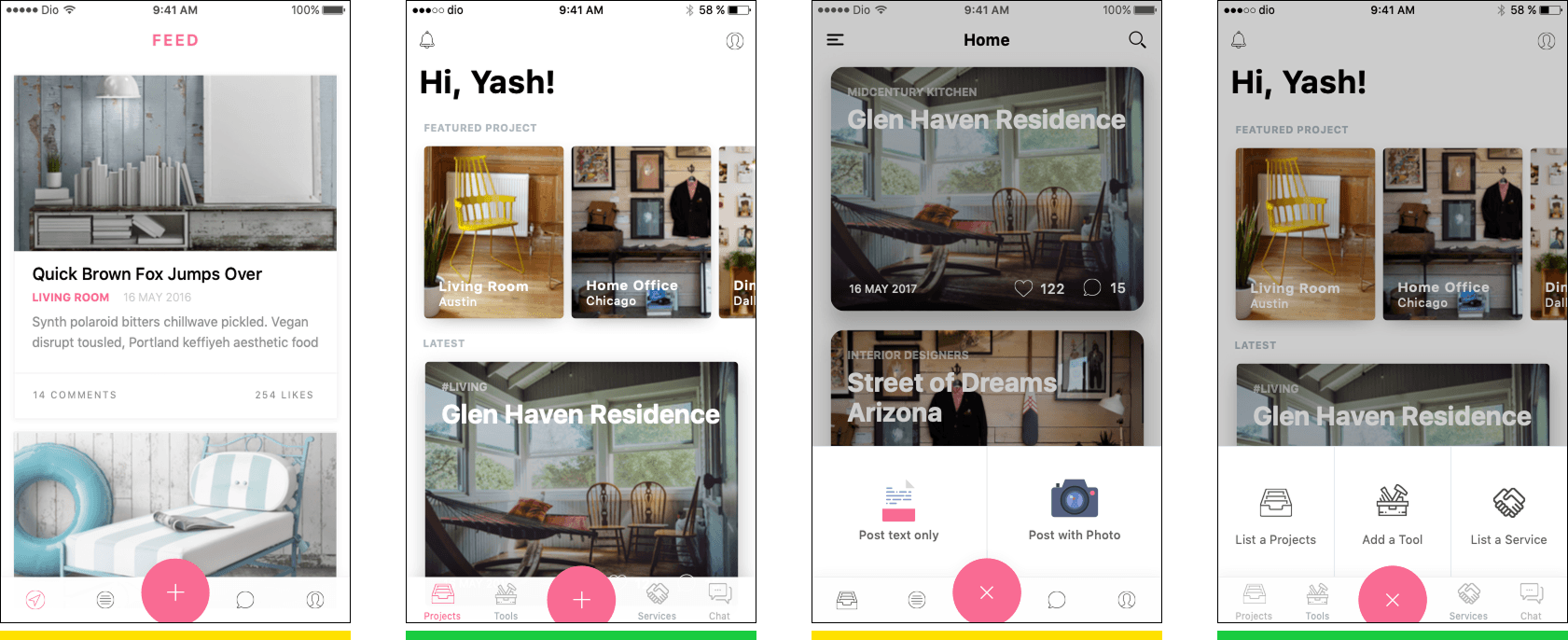
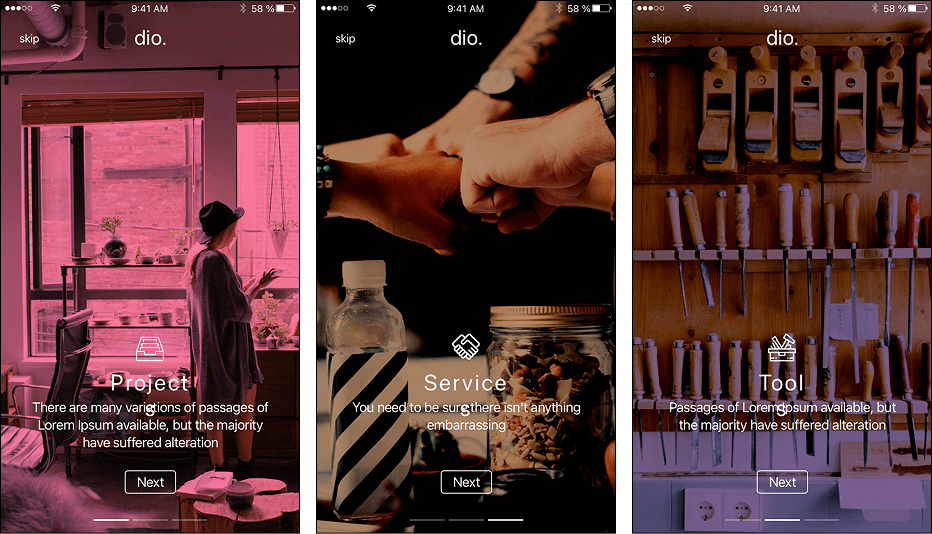
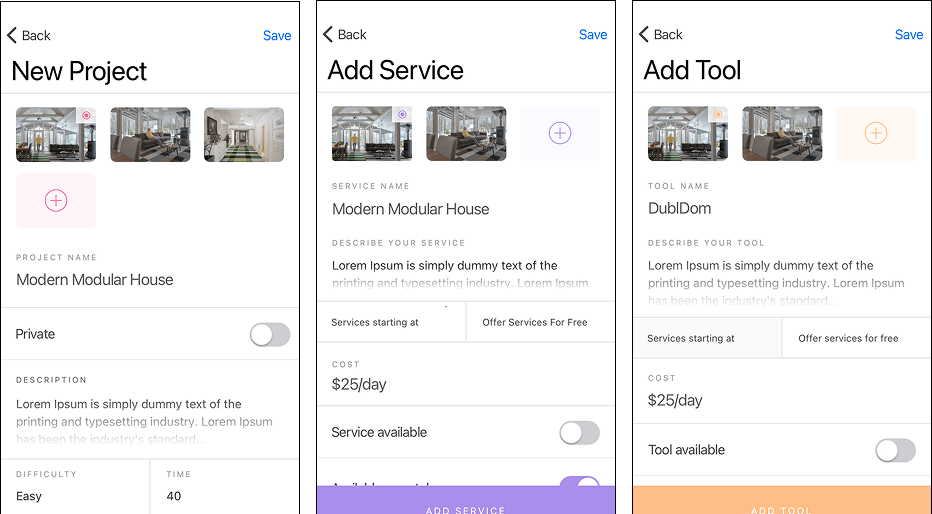
The app was built around three core aspects: projects, services, and tools. Initially, the focus was solely on projects, but feedback from various focus groups led to the inclusion of services and tools to enhance user growth and engagement. These elements eventually became the app’s three main pillars.
The app was first launched to small groups, where it achieved notable success, validating its potential. This phased approach helped refine its features and provided insights for broader scaling while ensuring a strong foundation for user experience.
Reflection & Learning
The app was launched on the App Store and Play Store after receiving positive feedback from multiple focus groups during testing. However, it struggled to attract actual users, and many features relied on a larger user base to deliver a better experience.
Around the same time, Google introduced a competing product, “Neighbourly,” which made it difficult for the company to secure funding. Facing these challenges, the team ultimately decided to shut down the app. Despite this, the project provided valuable insights into product-market fit and user acquisition strategies.