Ed Tech · Digital Content2016 – 2017
VitalSource
Redesigning a digital textbook platform through stakeholder workshops, modular design, student affordability features, and faculty tools.

At a glance
- Problem
- Students needed more affordable and usable access to digital course materials, while the platform also had to support publishers, institutions, faculty, and existing product constraints.
- What I owned
- Product Designer supporting redesign, stakeholder workshops, modular page systems, feature exploration, and validation across student and faculty experiences.
- Leadership move
- Used workshops and modular design exploration to align stakeholders, then advocated for chapter-wise purchases and faculty recommendation tools based on student needs.
- Outcome
- Created a redesign direction that balanced business constraints with affordability, accessibility, search continuity, and faculty-student workflows.
Problem Statement
Redesign
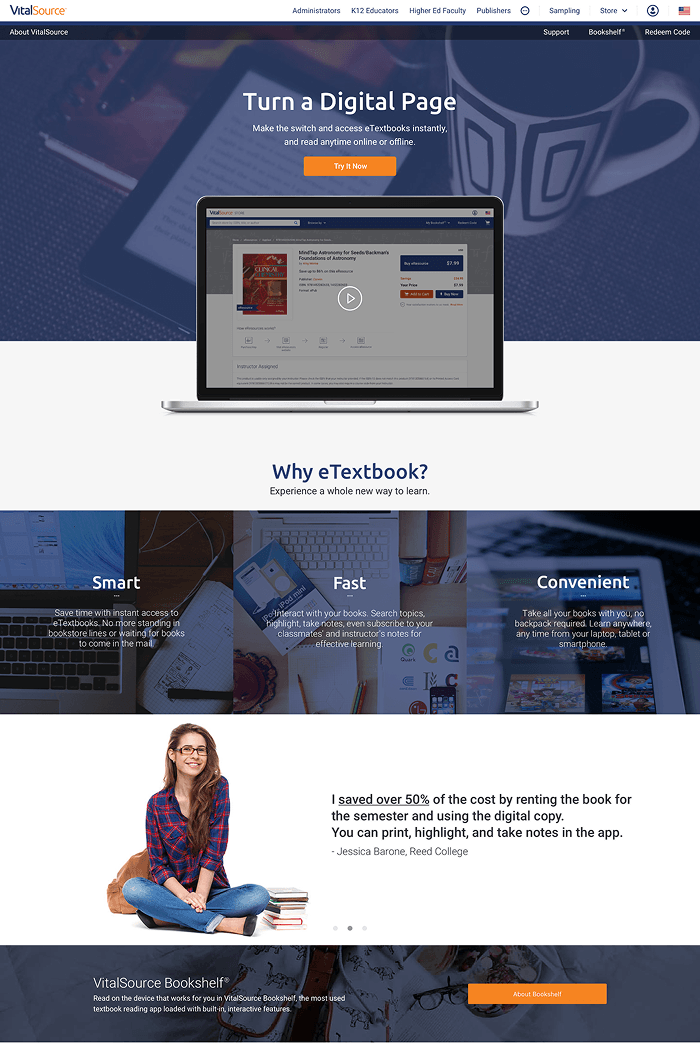
VitalSource addresses the challenge of making digital textbooks more accessible and engaging for students while also improving affordability. As a platform for eTextbooks, it allows users to rent or purchase books and access study tools, but there are opportunities to enhance usability across diverse learning needs.
For instance, a student struggling with digital navigation or affordability could use VitalSource to access textbooks that integrate study aids and can be synchronised across devices, turning academic learning into a more personalised and efficient experience.
Research
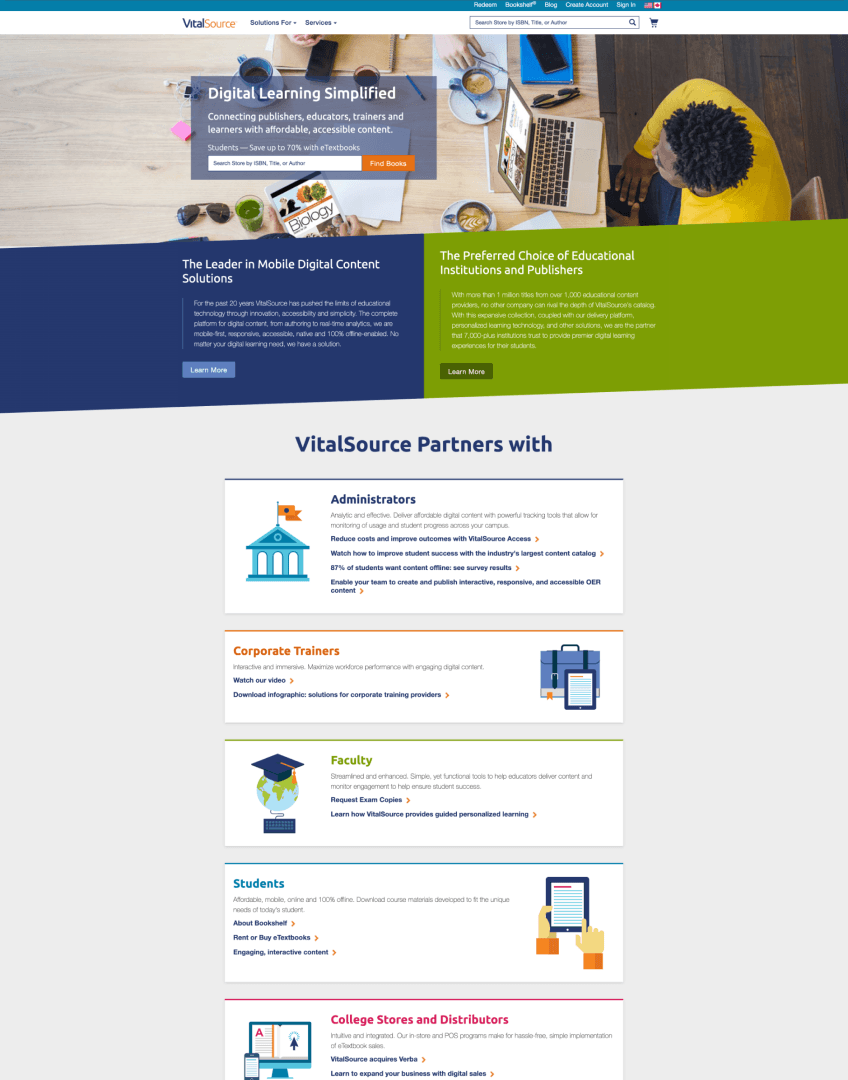
A design workshop was held with all stakeholders, incorporating activities like card sorting to gather input and secure approval for a faster design process. The workshop proved invaluable in prioritising requirements and defining a clear roadmap. It helped clarify the overall product goals, ensuring the team moved forward with a unified vision and common objectives.
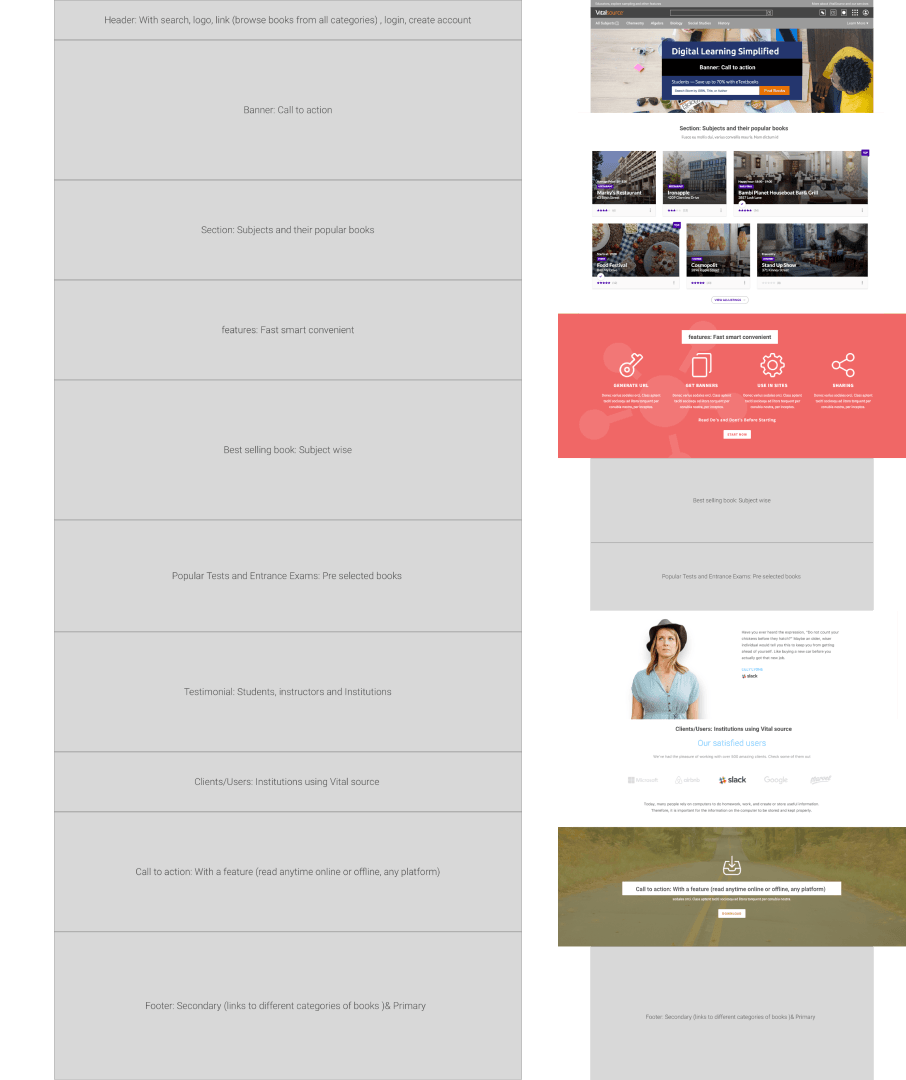
As part of the modular website approach, team members selected their favourite sections from various websites and assembled them in real-time to visualise the overall design. This exercise was repeated each time a major feature needed to be built, allowing the team to evaluate how different components would fit together and ensuring alignment with the broader vision.
Ideation
New features were developed alongside a complete redesign of the platform, requiring design iterations for both versions. The process involved extensive experimentation, including A/B testing, validation of various features, and gathering user feedback to assess interest in upcoming functionalities.
This approach greatly influenced the final redesign, ensuring that the platform aligned with user needs and expectations.
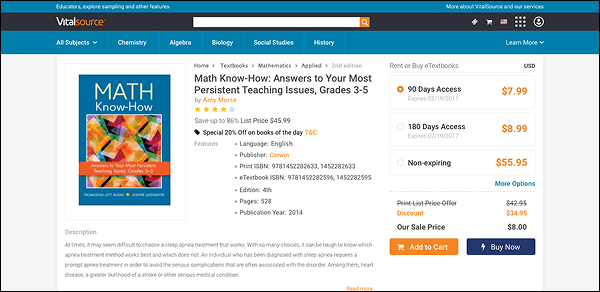
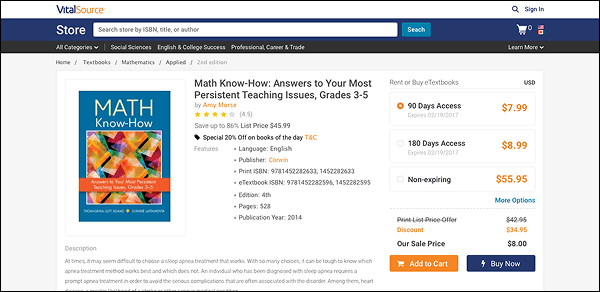
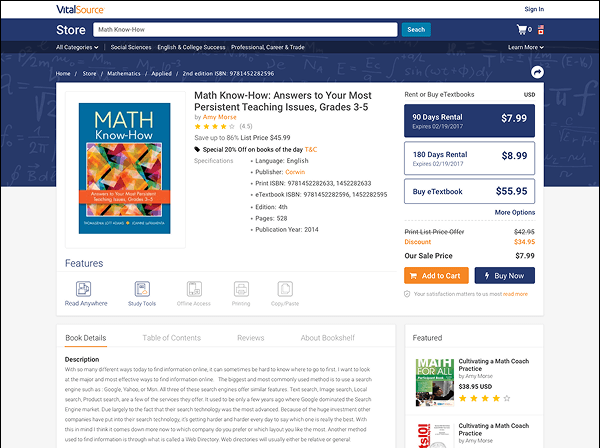
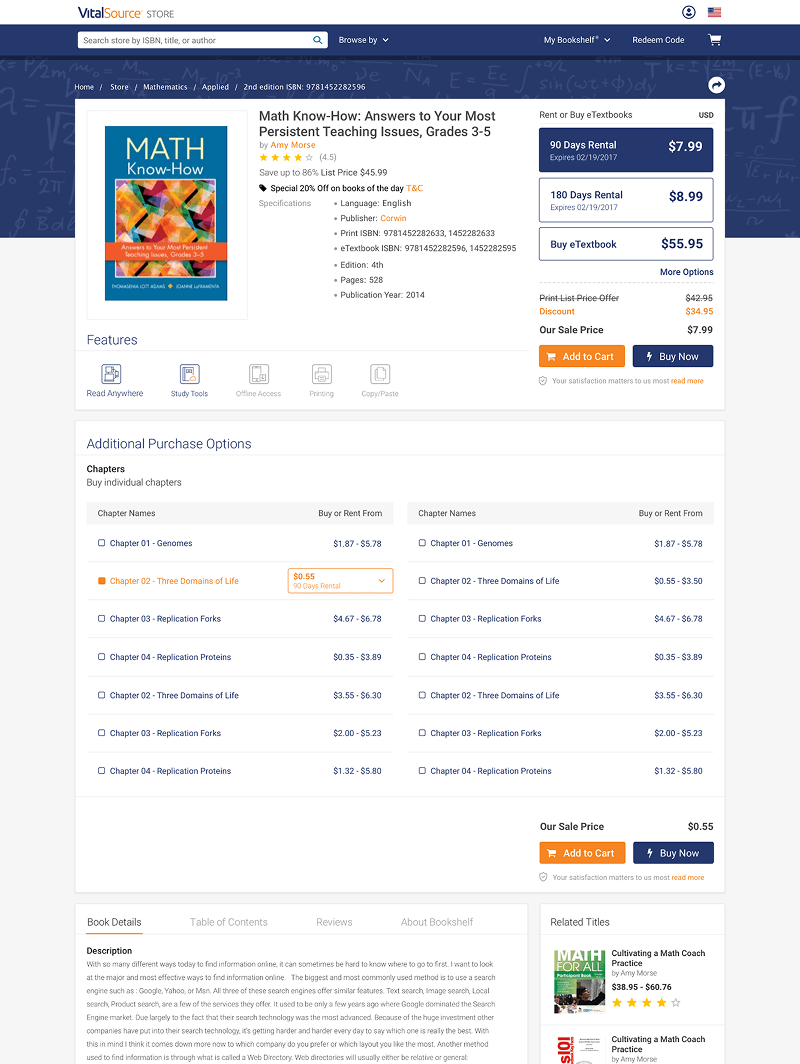
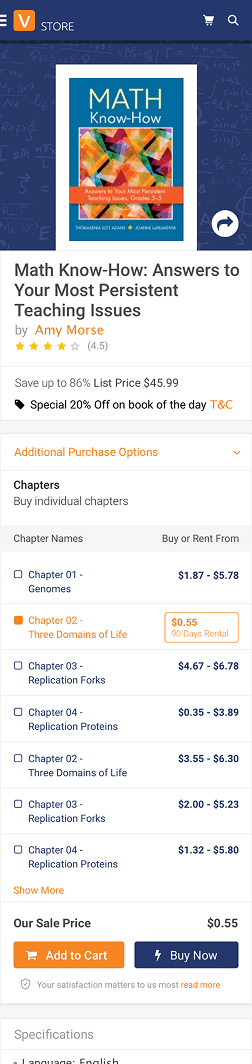
During interactions with students, it was observed that even if only one or two chapters were needed for a specific test or exam, students had to purchase the entire book. This significantly increased costs, especially with multiple subjects, making it financially burdensome for them.
While this model was beneficial for the company, the decision was made to introduce a feature allowing chapter-wise purchases. Despite facing significant internal pushback, this change prioritised student needs, aligning the platform with its goal of supporting accessible and affordable education.
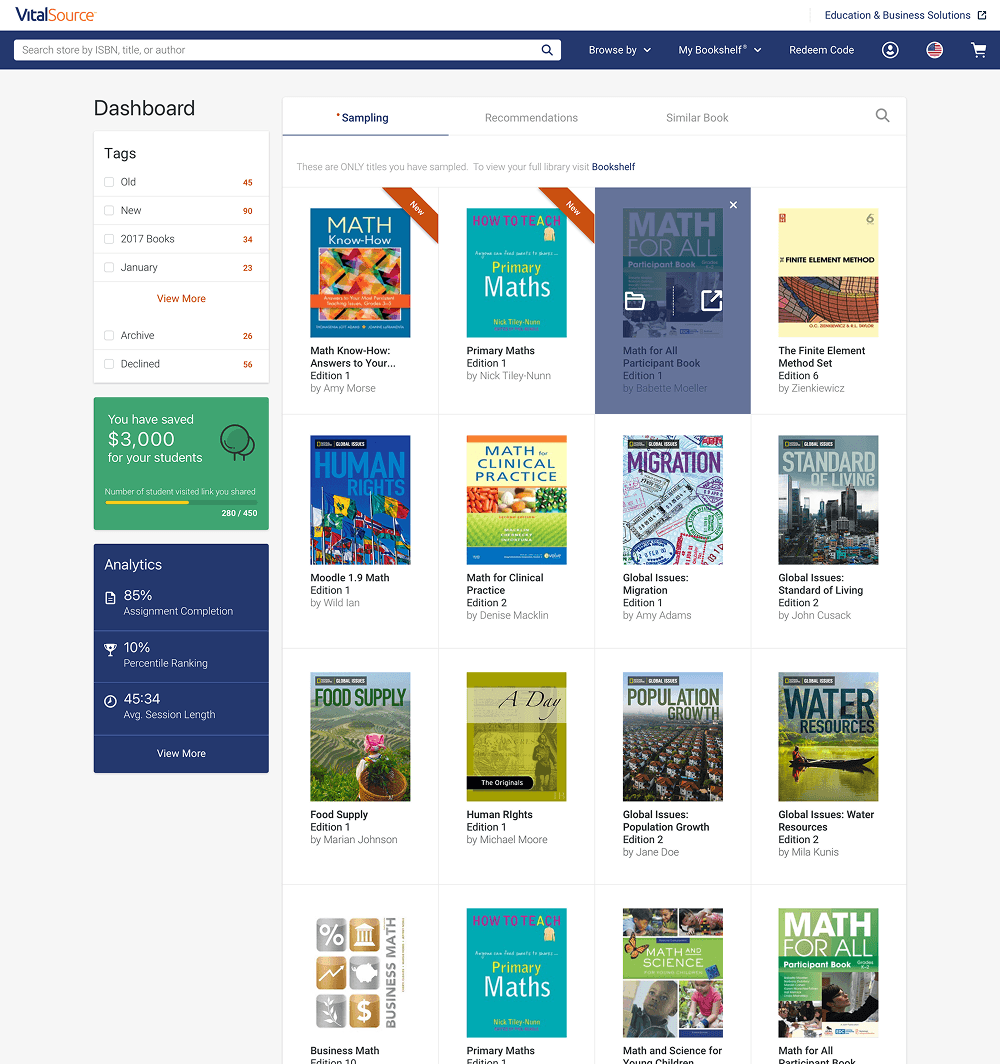
The faculty view included a dedicated login dashboard for teachers, enabling them to recommend books to their students and share book links integrated with the LMS. This not only saved students money but also allowed teachers to monitor how much they had helped students save.
Additionally, teachers could track their students’ progress, fostering better academic support. The dashboard also provided insights into teaching impact, strengthening the connection between faculty and student success while promoting resourceful and cost-effective learning.
Final Solution
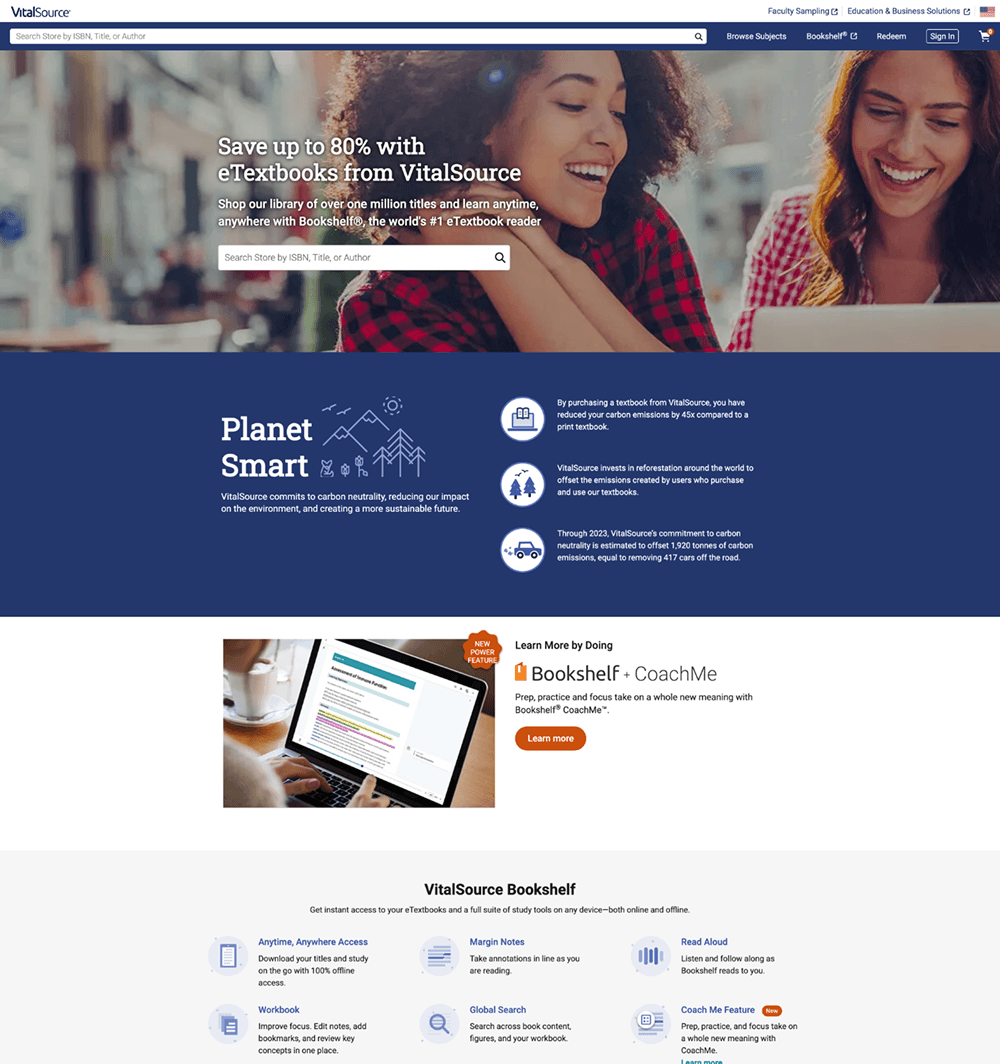
The landing page and inner pages initially featured search boxes in different locations. After extensive discussions with stakeholders, it was decided to include two search instances on the homepage. This feature, part of the old design, was particularly helpful for students with special needs.
To ensure a smooth transition, the redesign was implemented gradually, with the design structured in a modular way to avoid overwhelming students.
Reflection & Learning
I had significant creative freedom to explore design ideas, which made the process both exciting and educational. Understanding the intricacies of the US education system was a steep learning curve, especially as the platform was being redesigned in parallel. This led to the challenge of managing two distinct designs for various features.
A design workshop was instrumental in bringing all stakeholders together, enabling effective collaboration and alignment. This experience taught me the importance of structured teamwork in achieving a cohesive vision for complex projects.